
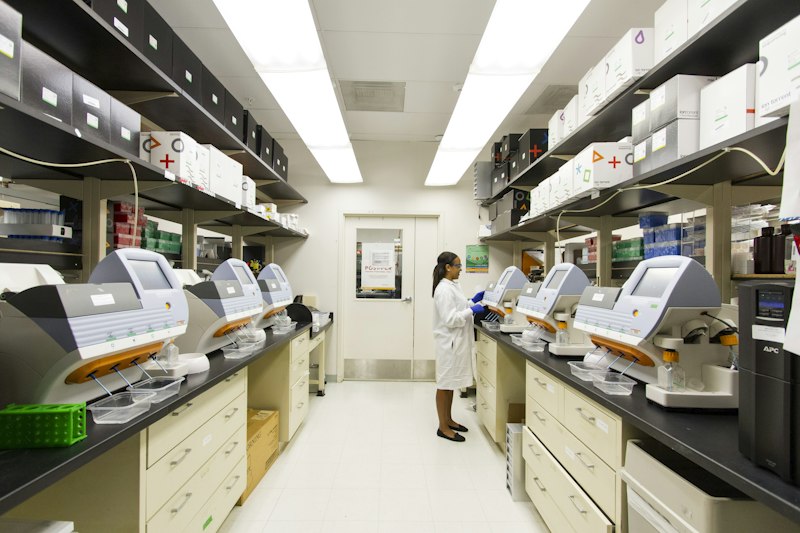
About Pap Smear Test
A Pap smear, also called a Pap test, is a screening procedure for cervical cancer. It tests for the presence of precancerous or cancerous cells on the cervix, which is the opening of the uterus. This simple, quick, and relatively painless test has significantly reduced cervical cancer deaths. During the procedure, cells are gently scraped from the cervix and examined under a microscope. Regular Pap smears can detect abnormal cells before they become cancerous, allowing for early intervention. The test is recommended for women starting at age 21 and should be repeated every 3 years for women aged 21-29, and every 3-5 years for women aged 30-65 depending on the type of test. Women with certain risk factors may need more frequent testing. The procedure takes only a few minutes and is performed during a pelvic examination. While some women may experience mild discomfort, the test is generally well-tolerated. Results are typically available within 1-3 weeks.
How to Prepare
- 1Schedule the test when you're not menstruating
- 2Avoid intercourse for 48 hours before the test
- 3Don't use vaginal medications or douches for 48 hours prior
- 4Avoid using tampons for 48 hours before
- 5Empty your bladder before the exam
The Procedure
The doctor inserts a speculum into the vagina to view the cervix. A small brush or spatula is used to gently collect cells from the cervix. The sample is sent to a laboratory for analysis.
Understanding Your Results
Results typically available in 1-3 weeks. Normal results mean no abnormal cells were found. Abnormal results may require further testing.
Used to Diagnose
Test Details
Category
Screening Tests
Duration
5-10 minutes
Cost Range
NPR 1,500 - 3,000