

Understanding PCOS: Symptoms, Causes, and Treatment Options
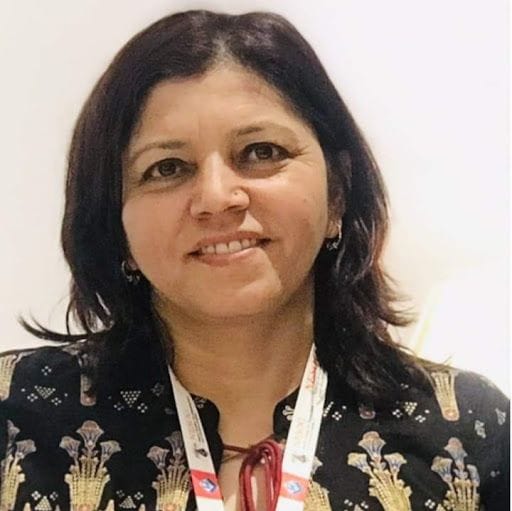
Dr Rashmi Bastakoti
Medical Specialist
Table of Contents
Polycystic Ovary Syndrome (PCOS) is one of the most common hormonal disorders affecting women of reproductive age. According to recent studies, PCOS affects approximately 10% of women worldwide, making it a significant health concern that deserves attention and understanding.
What is PCOS?
PCOS is a complex endocrine disorder characterized by a combination of symptoms including irregular menstrual cycles, excess androgen (male hormone) levels, and the presence of multiple small cysts on the ovaries. While the exact cause remains unknown, researchers believe it involves a combination of genetic and environmental factors.
Symptoms of PCOS
The symptoms of PCOS can vary significantly from woman to woman. However, the most common symptoms include:
Menstrual Irregularities:
- Infrequent periods (less than 8 per year)
- Prolonged or heavy bleeding during periods
- Complete absence of menstruation (amenorrhea)
- Irregular ovulation or anovulation
Signs of Excess Androgen:
- Excessive hair growth on face, chest, back, and buttocks (hirsutism)
- Severe acne, particularly on the face, chest, and upper back
- Male-pattern baldness or thinning hair
- Oily skin
Polycystic Ovaries:
- Enlarged ovaries with multiple small cysts
- May be detected through ultrasound examination
Metabolic Features:
- Weight gain, particularly around the abdomen
- Difficulty losing weight
- Insulin resistance
- Increased risk of type 2 diabetes
Causes and Risk Factors
While the exact cause of PCOS is not fully understood, several factors play a role:
Insulin Resistance: Many women with PCOS have insulin resistance, meaning their bodies don't respond well to insulin. This leads to higher insulin levels, which can cause the ovaries to produce more androgen.
Hormonal Imbalance: Women with PCOS often have elevated levels of luteinizing hormone (LH) and androgens, which can disrupt normal ovulation.
Genetic Factors: PCOS tends to run in families. If your mother or sister has PCOS, you may be at higher risk.
Inflammation: Women with PCOS often have increased levels of inflammation in their bodies, which can be linked to insulin resistance.
Diagnosis
Diagnosing PCOS requires a comprehensive evaluation that includes:
Medical History: Your doctor will discuss your menstrual cycle patterns, weight changes, and symptoms.
Physical Examination: This includes checking your weight, BMI, and signs of excess hair growth or acne.
Blood Tests:
- Testosterone and other androgen levels
- Fasting glucose and insulin levels
- Thyroid function tests
- Lipid profile
Pelvic Ultrasound: Transvaginal ultrasound can detect the presence of multiple cysts on the ovaries and assess the endometrial lining.
Treatment Options
While there is no cure for PCOS, the symptoms can be effectively managed through various treatment approaches:
Lifestyle Modifications:
- Weight Management: Losing even 5-10% of body weight can significantly improve symptoms and restore regular ovulation
- Regular Exercise: Aim for at least 150 minutes of moderate-intensity exercise per week
- Healthy Diet: Focus on whole grains, lean proteins, fruits, and vegetables while limiting processed foods and sugars
Medications:
For Menstrual Regularity:
- Combined oral contraceptives (birth control pills) - help regulate periods and reduce androgen symptoms
- Progestin therapy - induces withdrawal bleeding
For Androgen Symptoms:
- Spironolactone - blocks androgen effects
- Finasteride - reduces hair growth
- Topical eflornithine - slows facial hair growth
For Insulin Resistance:
- Metformin - improves insulin sensitivity and can help with weight loss
- Myo-inositol - may improve insulin sensitivity and ovulation
For Fertility:
- Clomiphene citrate - stimulates ovulation
- Letrozole - often first-line treatment for ovulation induction
- Gonadotropins - injectable fertility medications
- IVF (In Vitro Fertilization) - for severe cases
Surgical Options:
- Laparoscopic ovarian drilling - small holes are made in the ovaries to reduce androgen production
- Oophorectomy - removal of ovaries in severe, treatment-resistant cases
Living with PCOS
Managing PCOS is a lifelong journey that requires patience and consistency. Here are some tips:
-
Stay Informed: Understanding your condition is the first step to managing it effectively.
-
Regular Check-ups: Visit your healthcare provider regularly to monitor your condition and adjust treatment as needed.
-
Mental Health Support: PCOS can affect mental health. Don't hesitate to seek support if you're experiencing anxiety or depression.
-
Build a Support Network: Connect with other women who have PCOS through support groups or online communities.
-
Be Patient with Your Body: Weight loss and symptom improvement take time. Celebrate small victories along the way.
When to See a Doctor
You should consult a healthcare provider if:
- Your periods are irregular or absent
- You're experiencing symptoms of excess androgen
- You've been trying to conceive without success for 12 months (or 6 months if over 35)
- You're concerned about your symptoms or their impact on your quality of life
At SilentCare Solutions, our experienced gynecologists specialize in diagnosing and treating PCOS. We offer comprehensive care tailored to your individual needs, helping you manage your symptoms and achieve your health goals.
About the Author
Dr Rashmi Bastakoti
Medical Specialist
Expert in women's health with years of clinical experience.
Recent Posts


Related Articles
Understanding Endometriosis: A Patient's Complete Guide
Complete endometriosis guide for women. Learn about symptoms, causes, diagnosis, treatment options, pain management, and fertility preservation strategies.
Managing Menopause: Symptoms and Treatment Options
Navigate menopause with confidence using our comprehensive guide to symptoms and treatments.
PCOS and Fertility: What Every Woman Should Know
PCOS is one of the leading causes of female infertility. Learn how it affects fertility, treatment options, and how to improve your chances of conceiving.